South of Market - SoMa
Urban Energy, Industrial Character, and Culture at the Center of San Francisco
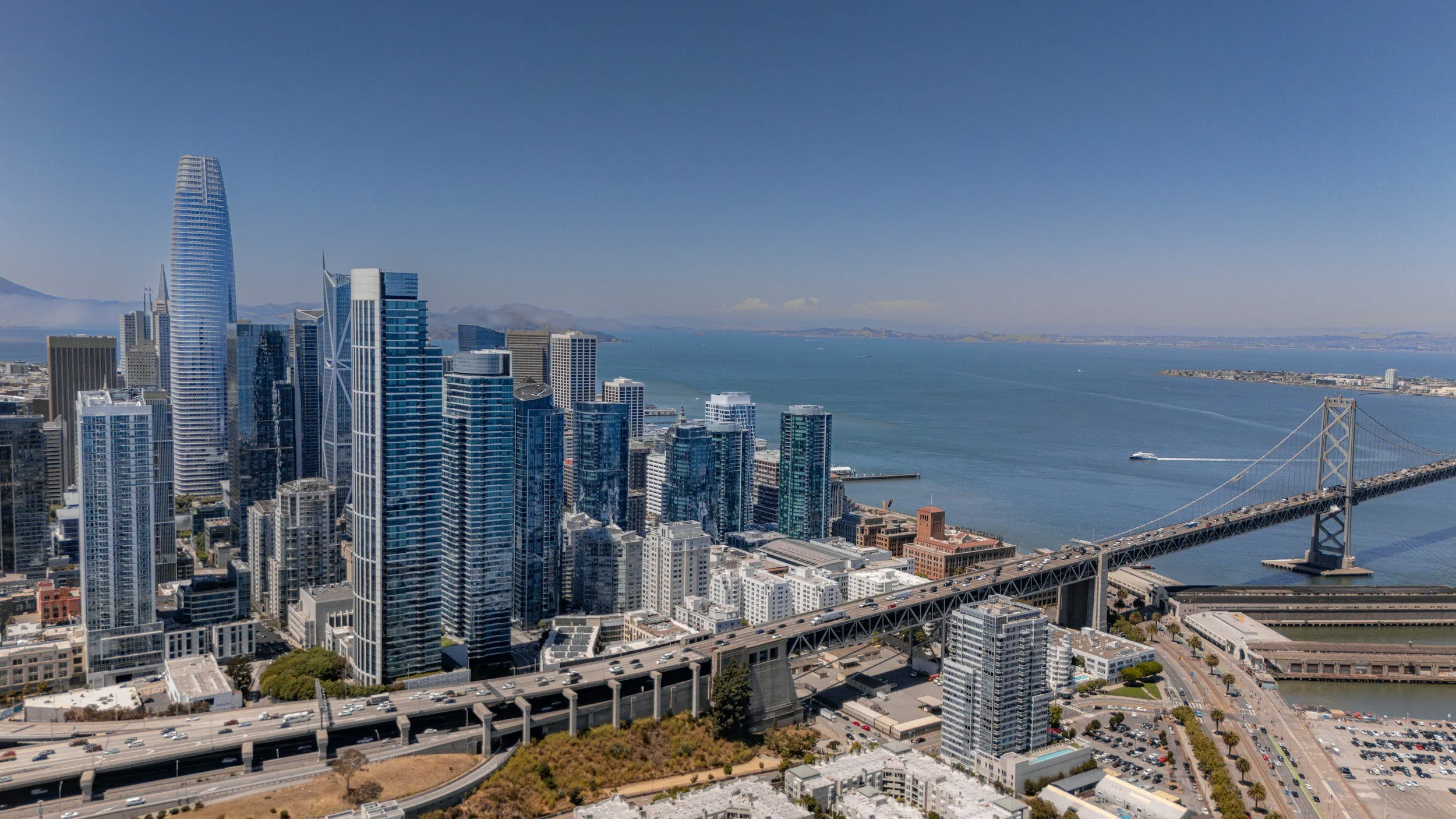
South of Market, better known as SoMa, is one of San Francisco’s largest and most varied neighborhoods. Stretching across a broad section of the city south of Market Street, it brings together converted warehouses, contemporary condominium buildings, cultural institutions, technology offices, nightlife, restaurants, and long-established residential communities.
SoMa does not have one uniform personality. Its smaller districts, including Yerba Buena, South Beach, Rincon Hill, Central SoMa, and Western SoMa, each offer a different version of city living. Depending on the block, residents may find themselves near a museum, a historic alley, a major convention center, a ballpark, a neighborhood bar, or a restored industrial building.
For buyers drawn to architecture, walkability, culture, and a distinctly urban lifestyle, SoMa offers options that are difficult to reproduce elsewhere in San Francisco.
Living in SOMA
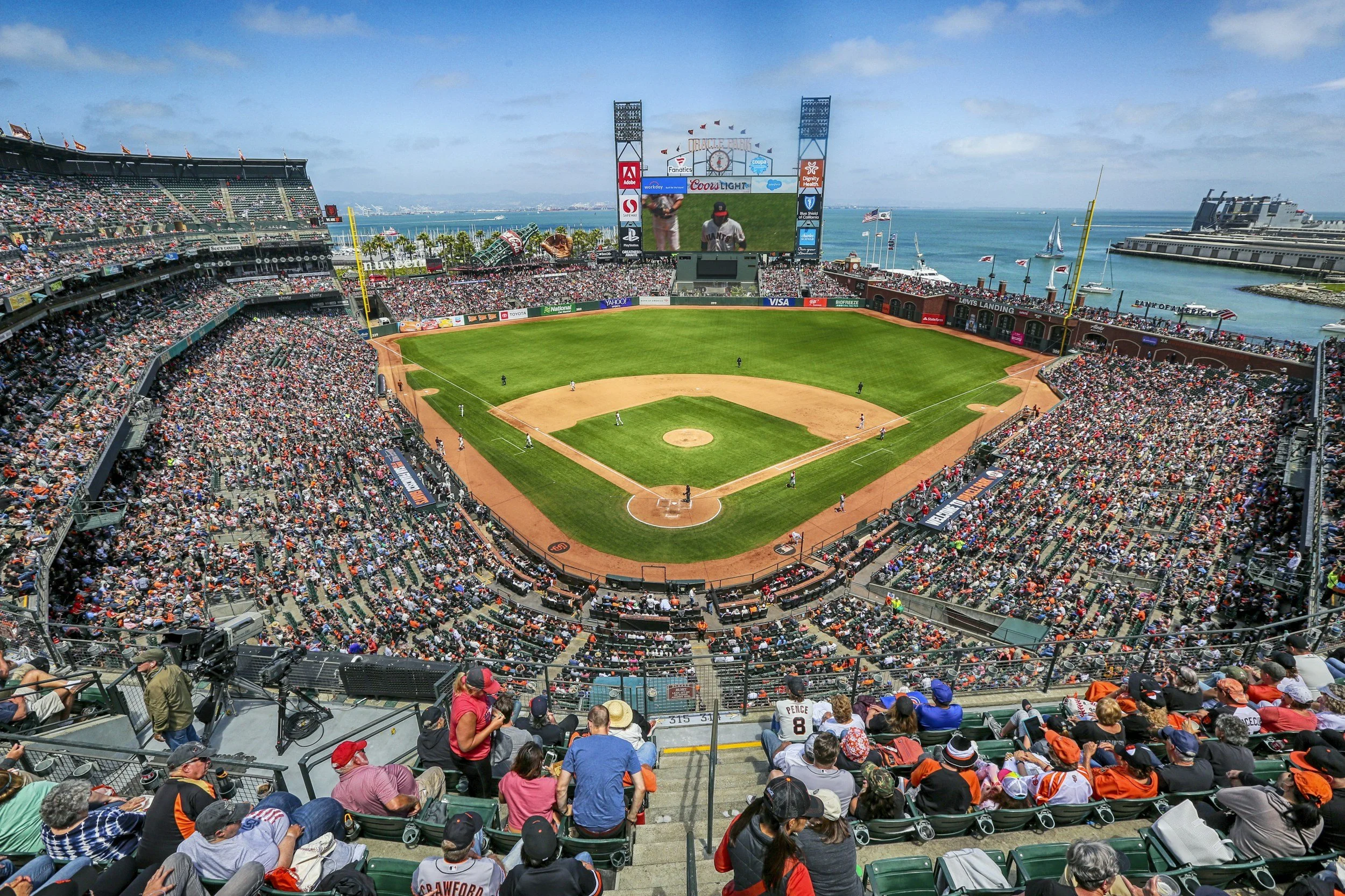
Oracle Park home to the San Francisco Giants
SoMa appeals to people who want to be close to the city’s commercial and cultural core without giving up residential variety. The neighborhood includes compact studios, traditional condominiums, dramatic loft conversions, live-work spaces, and full-service residential towers.
The area’s warehouse and industrial past remains visible in exposed brick, timber framing, concrete columns, oversized windows, and open floor plans. These historic structures sit beside some of San Francisco’s most contemporary residential architecture.
SoMa’s scale also means that the experience can change considerably from one section to another:
⛲️ Yerba Buena offers museums, gardens, hotels, restaurants, and newer residential buildings.
🏟️ South Beach and Rincon Hill provide high-rise living near the waterfront, Oracle Park, and the Embarcadero.
🕺 Central SoMa blends residential development with offices, restaurants, nightlife, and former industrial properties.
🎭 Western SoMa has a more intimate, eclectic character shaped by smaller buildings, local businesses, entertainment venues, and longstanding communities.
This variety rewards buyers who evaluate the immediate block and surrounding micro-neighborhood, not simply the broader SoMa label.
The Real Estate Market Snapshot - Q2 2026
SoMa’s residential market is primarily composed of condominiums, loft condominiums, TICs, and other attached housing rather than single-family homes.
The report marks the SoMa sales count as a smaller sample size, so the figures should be read as a directional snapshot rather than a definitive measure of every property type or micro-location.
SoMa Real Estate Snapshot
Condos / TICs 🏢
| Median Sale Price | $855,000 |
|---|---|
| Median $/Sq Ft | $776 |
| Avg. % of List Received | 102.3% |
| Homes Sold | 34 |
SoMa is primarily a condominium, loft, TIC, and attached-home market. Vanguard combines condos and TICs in its neighborhood reporting rather than publishing separate figures for each property type.
Source: Vanguard Properties San Francisco Market Update, July 2026 report, reflecting Q2 2026 neighborhood sales. The SoMa transaction count represents a relatively small sample, so these figures should be treated as a directional market snapshot and verified against current, property-specific comparable sales. Sources include SFAR MLS and BrokerMetrics. Information is deemed reliable but not guaranteed.
What the numbers suggest
SoMa’s median price was substantially below the citywide condominium median of $1.3 million during Q2 2026, creating a comparatively accessible entry point into San Francisco ownership. At the same time, SoMa properties sold for an average of 102.3% of list price, indicating that well-positioned homes still generated meaningful buyer competition.
Across San Francisco, the condominium market strengthened considerably during the quarter:
Median condominium price increased 6.9% year over year
Closed sales increased 24.4%
Pending sales increased 19.3%
Quarter-end inventory declined 40.7%
Median days on market fell from 27 days to 15
57.8% of condominiums sold above list price
These citywide trends point to renewed demand for attached housing, although building quality, monthly dues, location, presentation, and pricing remain especially important in SoMa.
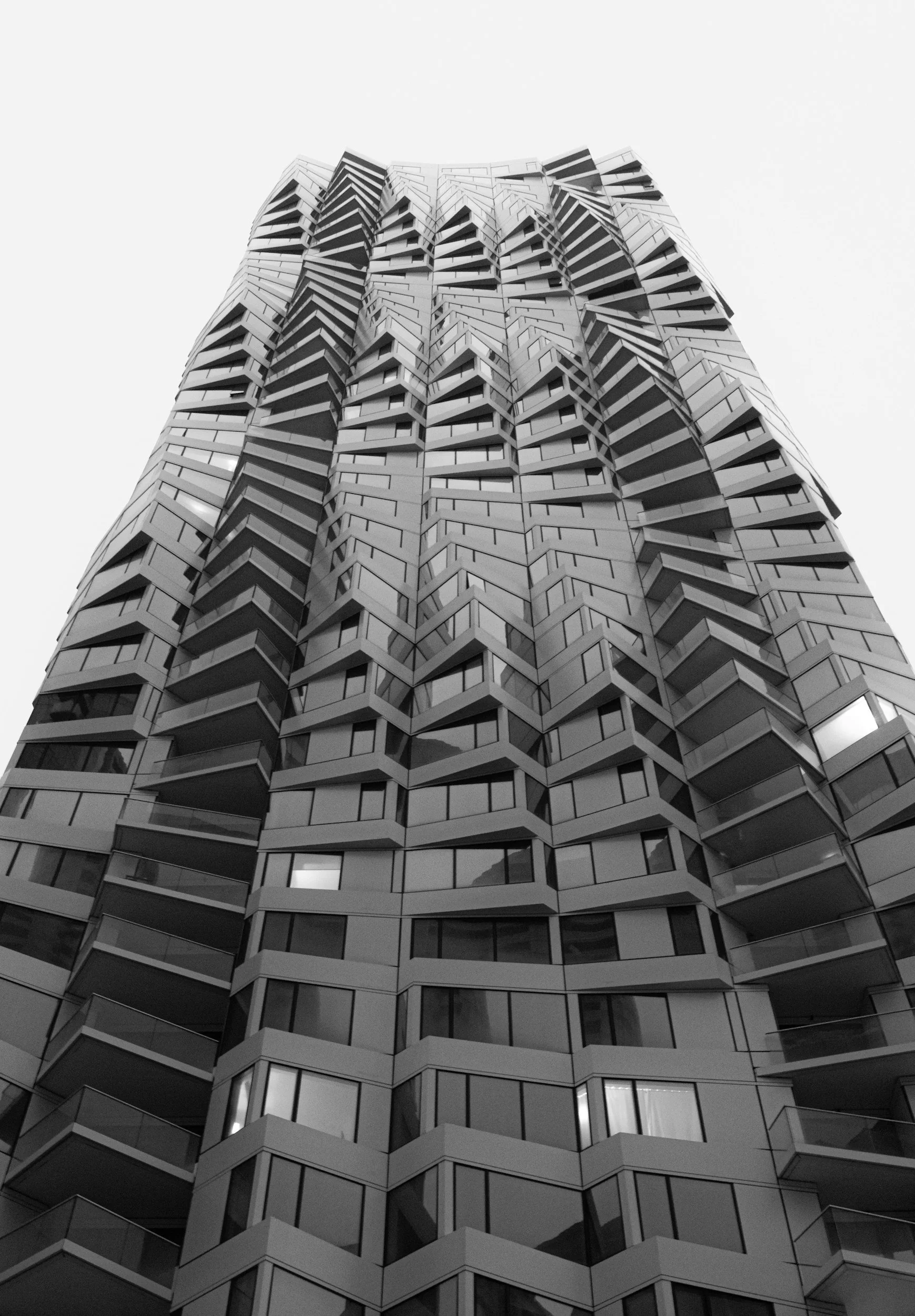
MIRA, an urban residential development designed by Studio Gang.
The Homes of SoMa
Historic loft conversions
Some of SoMa’s most recognizable homes are found in former warehouses, factories, and commercial buildings. Typical features may include:
Exposed brick or concrete
Heavy timber beams
Double-height ceilings
Large industrial windows
Open floor plans
Mezzanine sleeping or office areas
Original structural details
These properties can deliver architectural character and volume that conventional condominiums cannot. Buyers should also assess sound transfer, natural light, storage, heating and cooling, and whether an open loft layout provides enough privacy for their daily needs.
Contemporary condominiums
Newer mid-rise and high-rise buildings often offer more defined floor plans, modern systems, elevators, parking, shared outdoor areas, fitness rooms, front-desk service, and other amenities. Monthly HOA dues vary substantially and should be evaluated alongside the services provided, the building’s reserves, insurance coverage, and long-term maintenance plans.
Full-service towers
Rincon Hill, Yerba Buena, and South Beach contain many of the neighborhood’s larger residential towers. Upper-floor homes may offer skyline, bridge, or bay views, while the buildings themselves may provide extensive amenities. These properties can suit buyers seeking convenience and a more managed residential experience.
Arts, Culture, and Entertainment
SoMa contains one of the city’s densest concentrations of cultural destinations. The neighborhood is home to:
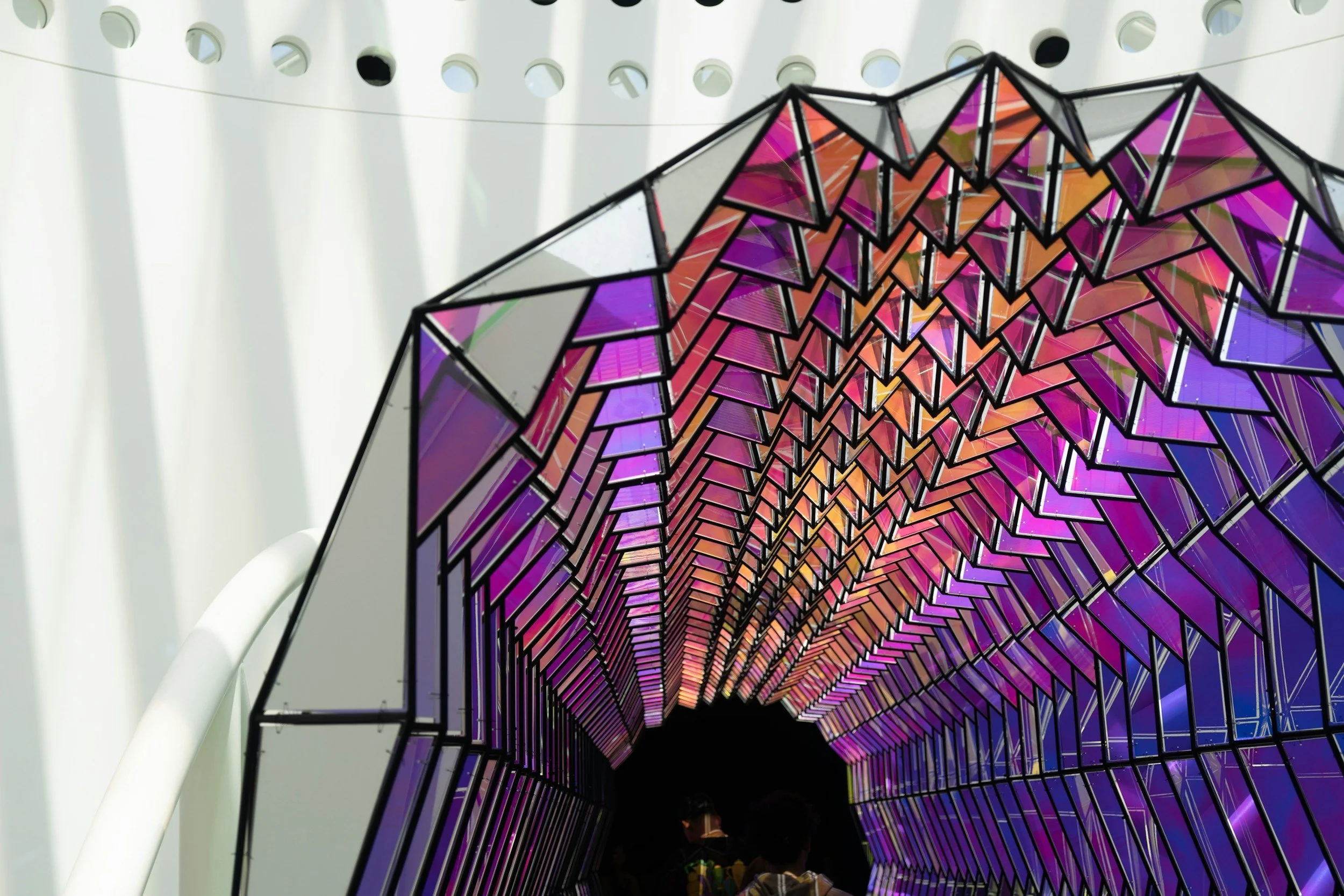
Art installation inside the SF Museum of Modern Art
San Francisco Museum of Modern Art
Museum of the African Diaspora
Yerba Buena Center for the Arts
Contemporary Jewish Museum
Children’s Creativity Museum
Yerba Buena Gardens
Moscone Center
Oracle Park
SFMOMA, Yerba Buena Gardens, and the surrounding museums make the area a major center for modern art, design, performance, public programming, and family activities.
SoMa is also one of San Francisco’s principal nightlife districts. Long-running music venues, dance clubs, performance spaces, bars, and event halls are distributed throughout the neighborhood, particularly around Folsom, Howard, and 11th streets.
Parks and Outdoor Space
Although SoMa is one of San Francisco’s most urban neighborhoods, it includes several valuable public spaces.
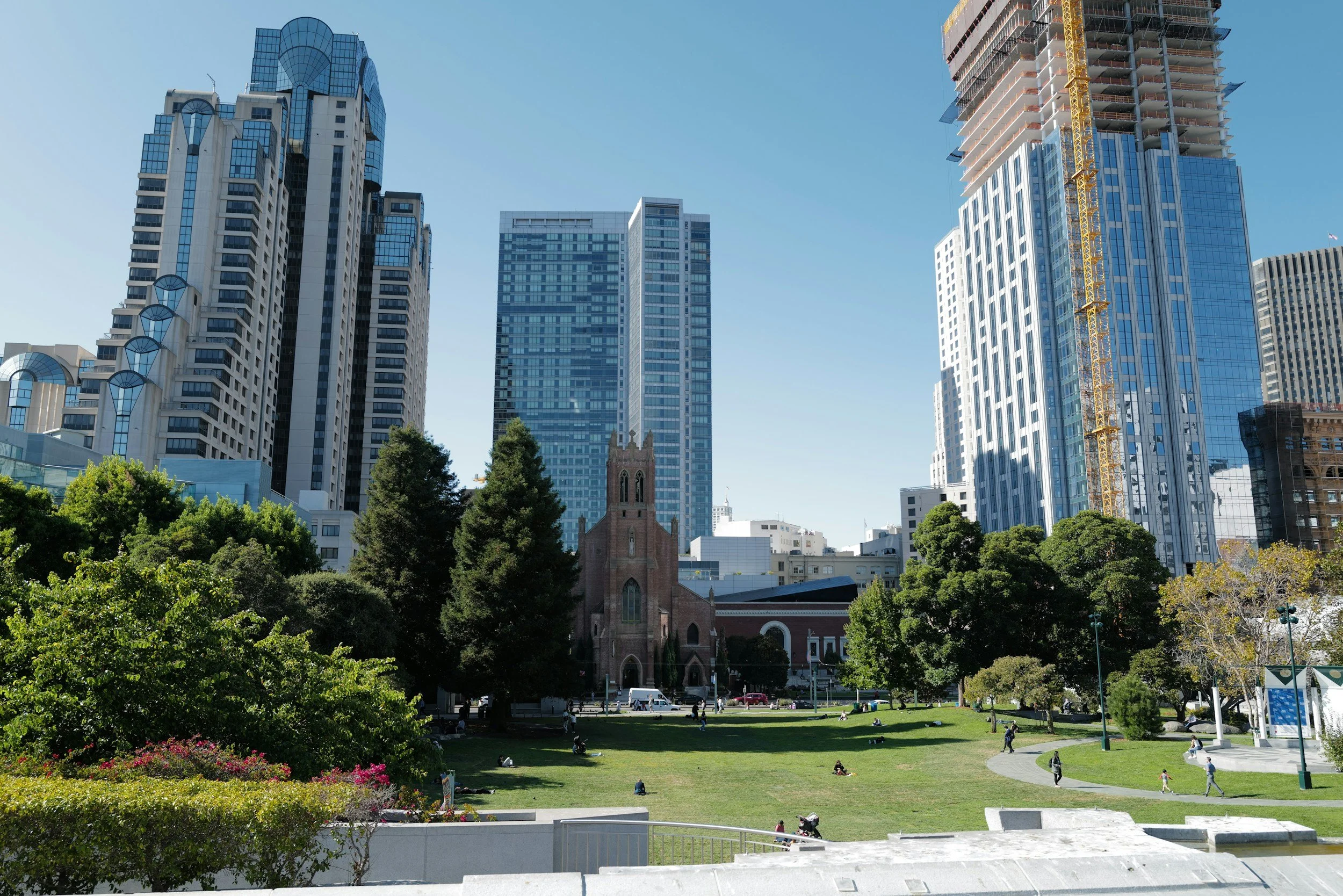
Yerba Buena Gardens
Yerba Buena Gardens provides lawns, landscaped paths, public art, fountains, cultural facilities, and gathering spaces surrounded by museums and downtown architecture. Its central lawn offers a notable contrast to the density of the surrounding district.
South Park
One of San Francisco’s oldest public parks, South Park forms the center of a small residential and commercial enclave near the waterfront side of SoMa. Its oval layout, mature landscaping, cafés, and surrounding buildings create a quieter neighborhood atmosphere.
The Embarcadero and Waterfront
Residents in eastern SoMa and South Beach can reach the Embarcadero, waterfront promenades, Oracle Park, and nearby open spaces on foot. This section of the neighborhood is particularly attractive to walkers, runners, cyclists, baseball fans, and residents who value access to the bay.
Dining and Nightlife
SoMa’s dining landscape reflects the neighborhood itself: broad, changeable, and highly varied. It includes destination restaurants, neighborhood cafés, hotel dining rooms, food halls, bakeries, casual lunch counters, bars, and late-night venues.
Rather than functioning around one continuous commercial street, SoMa’s restaurants and nightlife tend to cluster around several pockets:
Yerba Buena and the museum district
South Park and South Beach
Folsom and Howard streets
11th Street and Western SoMa
The Oracle Park and waterfront area
Fourth Street and Central SoMa
This creates a neighborhood where researching the immediate surroundings of a property matters. Some residential blocks are active late into the evening, while others become notably quiet outside business hours.
Transportation and Connectivity
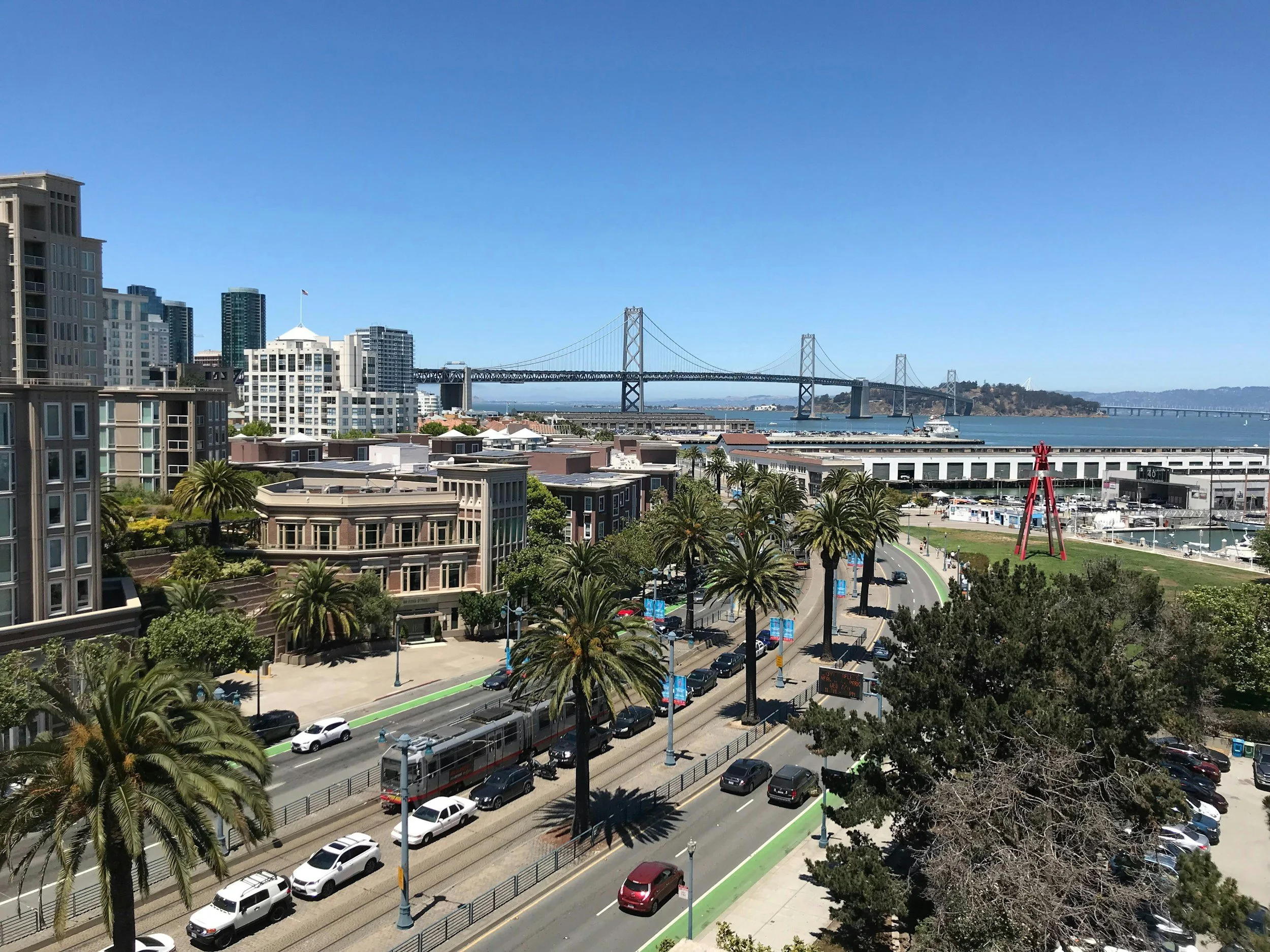
SoMa is one of the city’s best-connected districts. Depending on location, residents can access BART and Muni Metro along Market Street, Caltrain at Fourth and King streets, the Central Subway, multiple bus routes, historic streetcars, regional buses, and freeway entrances.
The Yerba Buena/Moscone Central Subway station was built in part to support continued growth and improve service through SoMa.
SFMTA identifies SoMa, including Mission Bay, the East Cut, and Rincon Hill, as being served by an extensive network of rail and bus routes.
The neighborhood can work particularly well for residents commuting downtown, to Mission Bay, or south toward the Peninsula. However, proximity to freeway ramps, major arterials, transit lines, stadium traffic, and convention activity can significantly affect noise and congestion from one block to another.
What Buyers Should Consider
SoMa’s diversity is one of its strengths, but it makes careful property evaluation essential.
The building matters
In a condominium-heavy market, buyers should examine:
HOA reserves and financial health
Monthly dues and included services
Insurance coverage
Pending assessments
Litigation
Elevator and mechanical-system condition
Parking arrangements
Rental restrictions
Move-in policies
Building staffing and security
Earthquake retrofitting and structural history
The block matters
A home may be close to nightlife, freeway access, loading zones, convention activity, a major development site, or heavy pedestrian traffic. Visiting at different times of day and on both weekdays and weekends provides a more accurate sense of daily life.
The floor plan matters
SoMa lofts can photograph beautifully but may lack acoustic separation, enclosed bedrooms, storage, or traditional room divisions. Buyers should consider how the space will function for working from home, hosting guests, sleeping, and long-term resale.
HOA costs affect value
Two similarly priced units may carry very different monthly costs. A lower purchase price does not necessarily mean lower total housing expense, especially in amenity-rich towers.
What Sellers Should Know
The broader San Francisco condominium market gained momentum in Q2 2026, but buyers remain discriminating. Vanguard’s market analysis notes that buyers are re-engaging when location, presentation, and pricing are right.
For SoMa sellers, that means positioning should address the questions buyers are already asking:
What distinguishes this building?
Is the HOA financially healthy?
What does the monthly fee provide?
How does the layout function?
Does the property receive good natural light?
What is the immediate block like?
How does the home compare with nearby inventory?
Are there views, outdoor space, parking, storage, or architectural features that justify a premium?
Lofts should be staged to clarify how open space can be used. Smaller condominiums need disciplined editing, strong lighting, and a clear sense of scale. Tower units benefit from emphasizing service, outlook, convenience, and building amenities.
Mark’s broader approach is to begin with what today’s buyers are actually looking for and prepare the property accordingly, rather than asking buyers to see past unresolved presentation issues.
Who SoMa May Be Right For
SoMa may appeal to buyers who value:
Contemporary urban living
Loft and warehouse architecture
Museums, sports, and nightlife
Access to downtown and regional transit
High-rise amenities
Walkability to work or entertainment
Open floor plans and large windows
A broad range of condominium price points
It may be less suited to buyers seeking a uniformly quiet residential environment, abundant private yards, traditional single-family housing, or a neighborhood organized around one continuous village-style shopping street.
The SoMa Perspective
SoMa is not a conventional San Francisco neighborhood, and that is precisely its appeal. It is large, layered, and continually changing. Historic industrial buildings coexist with residential towers, major cultural institutions, public gardens, nightlife, sports, technology, and small pockets of neighborhood life.
Its real-estate market can provide relative value compared with many other central San Francisco districts, but buyers need to understand the differences among buildings, blocks, and micro-neighborhoods. For sellers, informed pricing and disciplined presentation are critical.
Mark D McHale & Associates’ positioning centers on local market knowledge, careful preparation, clear communication, and helping clients evaluate not only the property itself but the community and lifestyle surrounding it. Mark’s content strategy likewise emphasizes that neighborhood nuances and lifestyle fit are among the factors buyers most often overlook.
Make Your Next Move in SoMa
Whether you are searching for a loft, considering a high-rise condominium, or preparing to sell, success in SoMa begins with understanding the differences between buildings, blocks, and micro-neighborhoods.
Mark D McHale & Associates provides local market insight, careful property analysis, and a strategy tailored to your goals.