San Francisco Real Estate Market Report: 2025 Year in Review
Rearview Mirror: The Vibe Shift is Real
Updated January 20, 2026
If 2024 was the year of "stabilization," 2025 was the year San Francisco officially got its groove back.
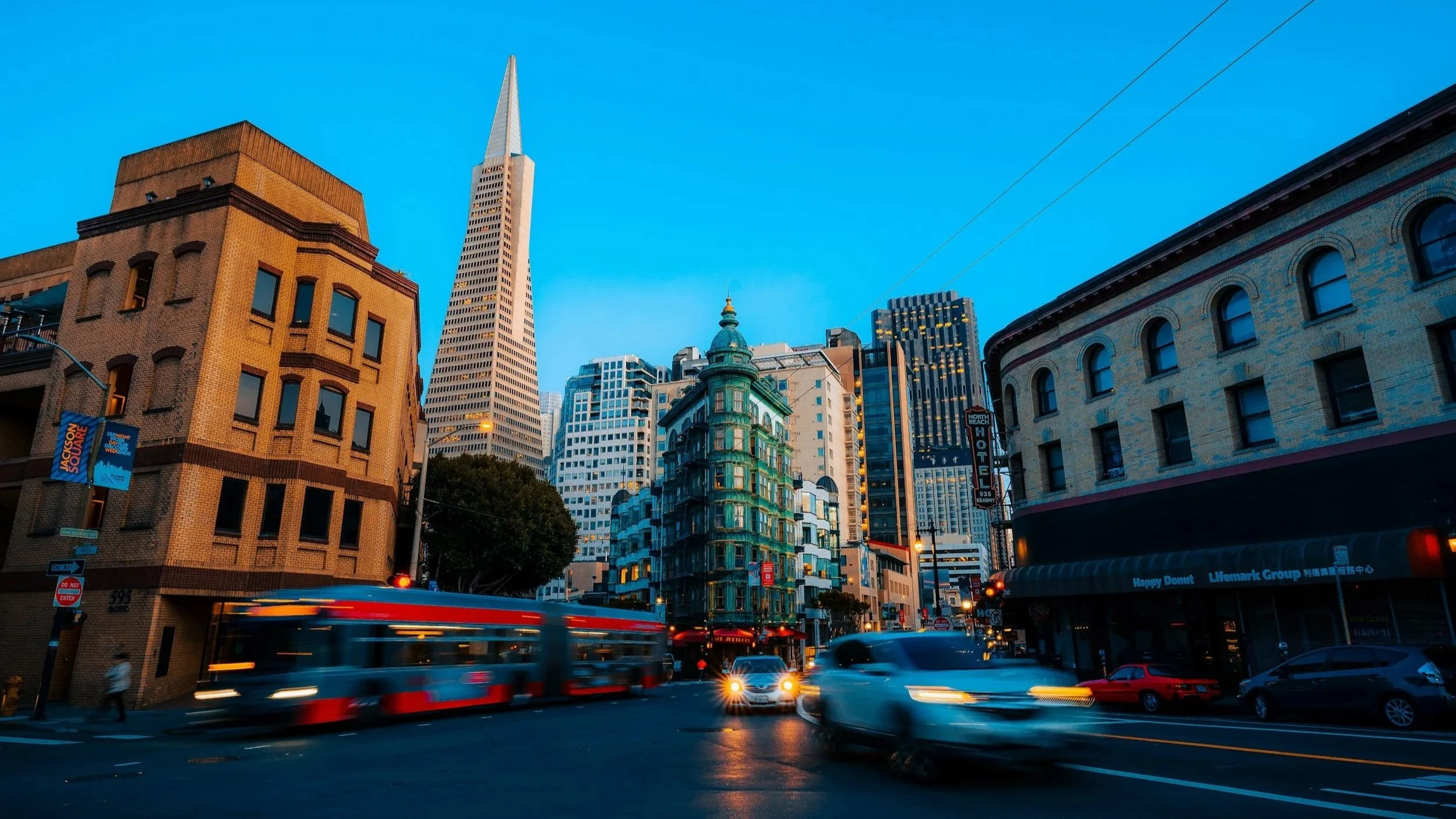
For the past twelve months, we’ve watched a new narrative take hold across the city. The "doom loop" headlines have been quietly replaced by the sound of moving trucks, open house chatter, and—yes—multiple offers.
While the national housing market struggled to find its footing, San Francisco did what it does best: it decoupled from the pack. Powered by a surge in AI-driven wealth, a return-to-office reality, and stabilizing interest rates, our local market didn't just inch forward; it accelerated.
Whether you’re looking to buy your first condo or sell a long-held family home, here is the layperson’s guide to what happened in 2025—and what it means for your moves in 2026.
The Big Picture: Confidence Returned
The headline number for 2025 isn’t just a price point; it’s a feeling. Consumer confidence is back.
Driven by a booming local economy (unemployment dropped to a remarkably low 3.7%), buyers stepped off the sidelines with conviction. The "wait for rates to drop to 3%" crowd realized that ~6% is the new normal, and with rents rising and stock portfolios healthy, the math for buying started making sense again.
| Market Metric | 🏠 Single-Family Homes (YoY) | 🏢 Condos / TICs / Co-ops (YoY) |
|---|---|---|
| Median Sales Price | $1,700,801 ▲+4.7% | $1,150,000 ▲+2.2% |
| Median Days on Market | 13 ▼−1 day | 28 ▼−5 days |
| Median $/Sq Ft | $1,022 ▲+2.2% | $1,006 ▲+0.9% |
| Avg. % of List Received | 113.4% ▲+1.7% | 101.5% ▲+0.8% |
| % of Sales Over List | 75.4% ▲+4.0% | 37.7% ▲+6.5% |
| Went Into Contract | 2,261 ▲+4.1% | 2,590 ▲+10.3% |
| Properties Sold | 2,296 ▲+6.2% | 2,594 ▲+11.4% |
| # For Sale (Dec 31) | 77 ▼−9.4% | 239 ▼−18.2% |
Source: Vanguard Properties — San Francisco Market Update (2025 Year in Review, Jan 2026). | Compiled & Presented by Mark D. McHale Real Estate.
The "Engine": Venture capital investment in local AI companies created a new wave of buyers with strong incomes and signing bonuses, pulling demand forward even during the typically slower fall months.
Single-Family Homes: The "Blink and You'll Miss It" Market
If you were house hunting for a single-family home this year, you likely felt the heat. The days of casually browsing a listing for weeks are gone.
In 2025, the median time a house sat on the market was just 13 days.
To put that in perspective: If a home was listed on a Thursday, by the following Tuesday, the seller was often reviewing multiple offers. And they weren't just getting asking price—they were getting more.
The "Bidding War" Index: On average, sellers received 113.4% of their asking price.
Competition Level: Roughly 75% of all homes sold above the list price.
Layperson Translation: The list price is no longer the price tag; it's the starting bid. Buyers in 2025 showed they were willing to pay a premium for "turnkey" properties—homes that are renovated, staged, and ready for move-in day.
The Comeback Kid: Condos Turn the Corner
For the last few years, the condo market has been the sleepy sibling to the single-family frenzy. In 2025, it woke up.
With single-family home prices pushing higher, many buyers pivoted to condos, recognizing the immense value gap. This sector delivered the strongest turnaround of the year.
Sales Volume: Jumped 11.4%.
Speed: Days on market dropped to 28 days.
Price: A modest 2.2% increase to a median of $1,150,000.
Why it matters: This is the "smart money" move. While everyone else was fighting over houses in the Sunset, savvy buyers were picking up condos in SOMA, Mission Bay, and South Beach—neighborhoods that are coming back to life as workers return to downtown offices.
Neighborhood Spotlight: The Battle for Value vs. The Luxury Fortress
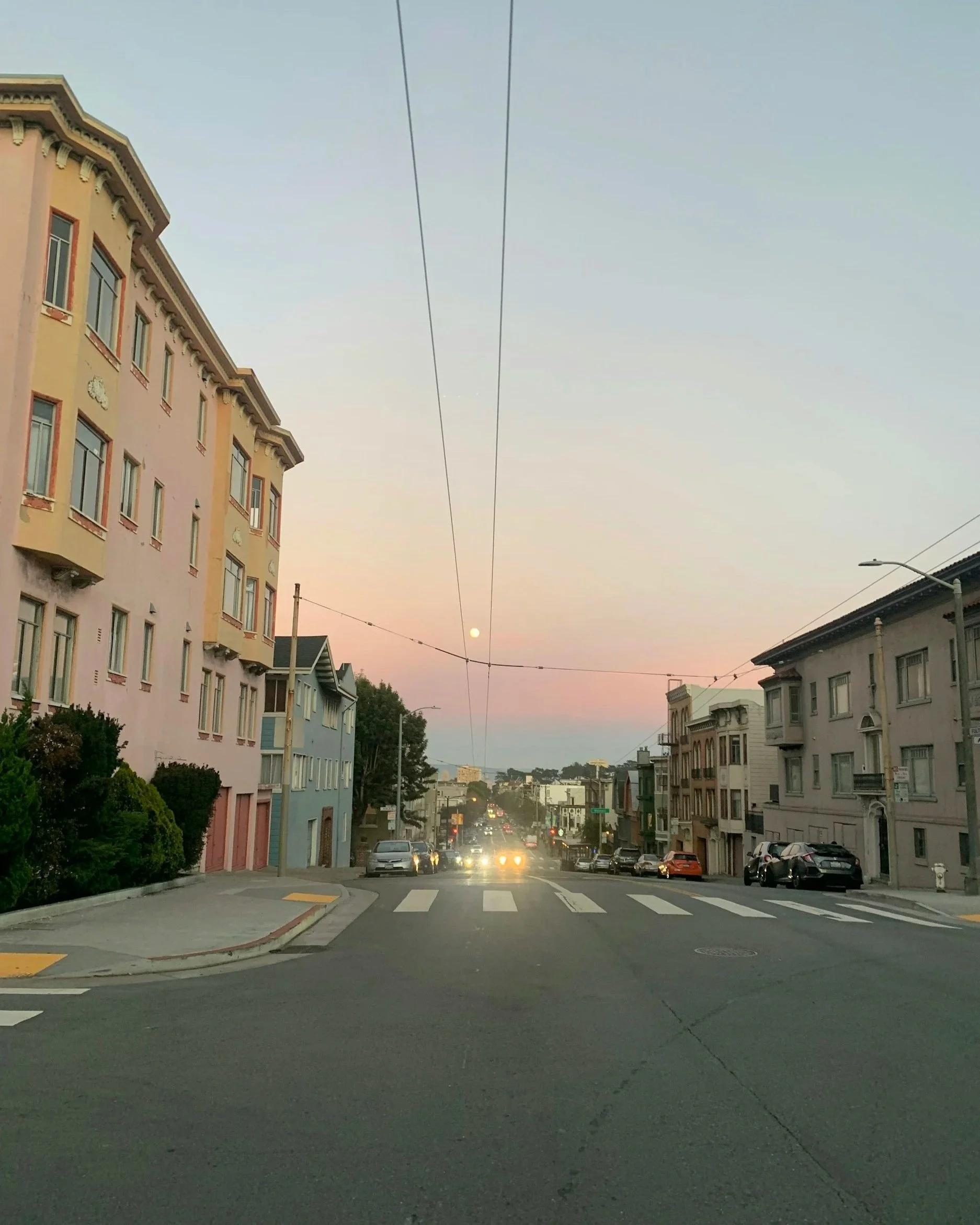
The Battleground: The Sunset & Parkside If you want to see competition, go west. The Sunset was the hottest ticket in town for buyers seeking more space and "relative" value.
The Stat: Homes here sold for an average of 123.4% of the list price.
The Takeaway: This is where the aggressive pricing strategy (listing low to spark a war) is most prevalent.
The Steady Giant: Pacific & Presidio Heights The luxury market remains a different beast. It’s less about frantic bidding and more about capital preservation.
The Stat: The median price hovered at $7.3M, with homes selling steadily at around 101% of the list price.
The Takeaway: High-net-worth buyers are active, but they are disciplined. They aren't overpaying, but they are buying quality assets that hold value.
What This Means For You
If You Are a Buyer:
Speed is Key: You cannot wait for the weekend open house if a property hits the market on Tuesday. Be ready to view immediately.
Ignore the "List Price": Look at the comps (comparable sales), not the sticker price. A home listed for $1.4M in the Sunset is likely a $1.7M home in disguise.
Look for Opportunity: If you don't need a detached house, the condo market still offers incredible value and less competition, with prices that haven't yet skyrocketed back to peak levels.
If You Are a Seller:
Presentation is Profit: Buyers are paying top dollar, but only for perfection. Unstaged, cluttered, or "fixer" homes are sitting longer and selling for less.
Pricing is Strategy: The data proves that "aspirational pricing" (listing high to see what happens) fails. The homes that broke records in 2025 were priced transparently to attract the maximum number of eyes.
The Window is Open: With inventory still tight and confidence high, the Spring 2026 market is shaping up to be very active.
The Bottom Line
San Francisco is resilient. We’ve seen boom and bust cycles before, but 2025 proved that the fundamentals of this city—innovation, beauty, and economic power—are as strong as ever.
The market has shifted from "recovering" to "thriving." If you’re thinking about making a move in 2026, let’s look at the data for your specific neighborhood and build a strategy that works for you.
Want a neighborhood-specific update or home valuation?
Sources & Credits
Market Data: Vanguard Properties Market Reports & San Francisco Association of REALTORS® (SFAR MLS).
Analysis: Mark D. McHale & Associates
Disclaimer: All information is deemed reliable but not guaranteed for accuracy. All data is subject to errors, omissions, revisions, and is not warranted. Statistics are based on property types covered: Single Family Homes and Condominiums/TICs/Co-ops in San Francisco.
Frequently Asked Questions: San Francisco Real Estate Market 2026
Is the San Francisco real estate market recovering in 2026?
Yes. The San Francisco real estate market has entered a recovery phase in 2026, marked by rising buyer confidence, increased pending sales, and renewed competition in desirable neighborhoods. While not every segment is moving at the same pace, demand has clearly returned.
Is now a good time to buy a home in San Francisco?
For many buyers, 2026 presents a strategic window. Mortgage rates have stabilized, inventory has improved compared to prior years, and buyers face less competition than during peak cycles. Well-priced homes in strong neighborhoods continue to attract multiple offers.
Is 2026 a good year to sell a home in San Francisco?
Yes—especially for sellers who price realistically. Homes that are well-prepared and positioned correctly are selling faster and closer to asking price. Sellers who missed the 2021–2022 peak are finding renewed leverage as buyer demand rebounds.
How are interest rates affecting San Francisco home prices?
Interest rates remain a key factor, but rate stability has reduced buyer hesitation. Many buyers have adjusted expectations and are moving forward, particularly in the luxury and move-up segments where jumbo loan activity is increasing.
Which San Francisco neighborhoods are performing the strongest in 2026?
Neighborhoods with proximity to job centers, transit, and lifestyle amenities are leading the recovery. Areas such as Hayes Valley, Noe Valley, the Mission, and parts of the Sunset and Richmond districts are seeing the most consistent buyer activity.
How is the tech and AI sector impacting the housing market?
The expansion of AI and technology companies has injected new capital into the market. Buyers with stock liquidity, bonuses, and higher incomes are driving competition—particularly for single-family homes and high-quality condos near innovation hubs.
Are home prices rising in San Francisco in 2026?
Overall pricing trends are stabilizing with selective appreciation. Entry-level and mid-tier homes are seeing modest price growth, while luxury properties remain more sensitive to pricing strategy and presentation.
Is inventory increasing or decreasing in San Francisco?
Inventory is higher than the ultra-low levels of recent years, giving buyers more choice. However, supply remains tight for turnkey properties, renovated homes, and residences in top school districts.
What types of properties are selling fastest in 2026?
Move-in-ready single-family homes, well-located condos with outdoor space, and properties offering flexible layouts for work-from-home continue to sell the fastest. Fixers can still sell, but pricing expectations must be realistic.
What should buyers and sellers expect for the rest of 2026?
The remainder of 2026 is expected to favor informed, prepared participants. Buyers should expect competition on standout homes, while sellers should focus on pricing, timing, and strategy. The market rewards those who understand current conditions—not outdated headlines.